
Personal Safety Badge
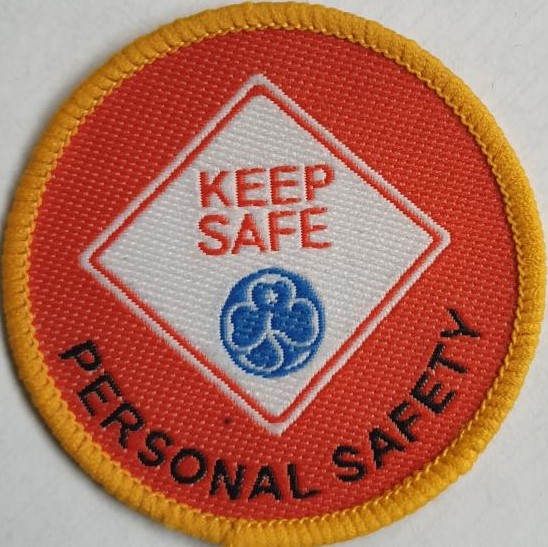
At home, in the unit or with friends, do three of the following:
- Be able to identify four types of substance that can be poisonous and are in the kitchen, bathroom or garden.
- Draw a plan of your bedroom/living room/unit meeting place, and mark off potential hazards for someone with a physical disability, an older person, and a small child. Make suggestions for reducing the danger.
- Create a drama/poster on how to resist peer pressure and say no to cigarettes, drugs or alcohol. Following necessary safety precautions, be able to: Use a disposable barbecue. Turn off the main utilities in your home/meeting place, e.g. gas, electricity and water. Take action if you are being bullied, or if you suspect someone else is being bullied.
Out and About – do three of the following:
- Draw a map of your local area or your route to school and mark the areas where there are potential hazards. For example, where there is waste ground, canals/lakes, alleyways, bad street lighting, parked cars, building sites etc. Note where there are phone boxes, the police station, or shops where you could get help if you needed it.
- Be able to read a street map and give directions.
- Know the Water Safety Code and show an understanding of safety signs and flags at the beach.
- Design a poster or leaflet for a road safety campaign, e.g. about being seen by night and day.
- Take a course in cycle proficiency such as ‘Get Started’ or ‘Improve’, organised by the British Cycling Foundation.
- Know the Highway Code as it relates to pedestrians and cyclists.
- Create a ten-point checklist of safety precautions for travelling abroad.

