
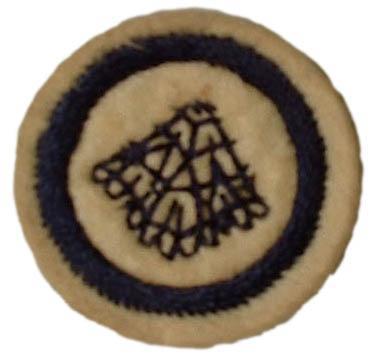
1919 POR – Lace Maker Badge
Must know names of, and be able to describe, four kinds of lace, such as:- Torchon, Irish crochet, Brussel’s point, filet, point ground, Carrick-macross, Milanese, etc.
Mend a piece of lace, real or imitation, very neatly, and do one of the following sections, using flax, not cotton thread:-
1) Bobbin or pillow lace; be able to manage 30 pairs of bobbins and make five different stitches, and show specimens, including insertion and edging, made unaided.
2) Needlepoint lace: be able to make eight varieties of stitches, including bars, picots, tulle. Show a piece, the work being even and beautiful.
3) Filet or darned net lace; be able to make own net and vary design. Show insertion or several squares.
4) Tambour lace; know the tambour stitch and be able to work in several colours, or; as an alternative, do a piece of “needle run” with at least eight varieties of stitch in the net.
5) Applique on net; (Carrickmacross, applique Duchesse, etc.). Show a piece of work, in either style, with lawn or spriggs applied (the spriggs to be self-made).
6) Crochet; be able to copy a simple design from instruction or specimen; show insertion and edging and corner made unaided; one piece to contain Irish rosettes.
7) Knitted lace; be able to copy a simple design or follow instructions both in edging and insertion.
8) Tatting lace; to know single and double-thread tatting, both for insertion and lace, and be able to manage three threads on separate shuttles at a time.
9) Netting lace; work two doyleys with varying widths of mesh and different designs, such as shell or pointed edges.
1920 (March) Girl Guide Badges and How to Win Them 1st edition – Lace Maker Badge
A Guide must know names of, and be able to describe, four kinds of lace, such as: torchon, Irish crochet, Brussels point, filet, point ground, Carickmacross, Milanese, etc.
Mend a piece of lace, real or imitation, very neatly, and do one of the following sections, using flax, not cotton thread:
1) Bobbin or pillow lace: be able to manage 30 pairs of bobbins and make five different stitches, and show specimens, including insertion and edging, made unaided.
2) Needlepoint lace: be able to make eight varieties of stitches, including bars, picots, tulle. Show a piece, the work being even and beautiful.
3) Filet or darned net lace: be able to make own net and vary design. Show insertion or several squares.
4) Tambour lace: know the tambour stitch and be able to work in several colours, or, as an alternative, do a piece of “needle run” whith at least eight varieties of stitch in the net.
5) Applique on net: (carrickmacross, applique Duchesse, etc.): Show a piece of work, in either style, with lawn or sprigs applied (the sprigs to be self-made).
6) Crochet: be able to copy a simple design from instruction or specimen; show insertion and edging and corner made unaided; one piece to contain Irish rosettes.
7) Knitted lace: be able to copy a simple design or follow instructions both in edging and insertion.
8) Tatting lace: to know single and double-thread tatting, both for insertion and lave, and be able to manage three threads on separate shuttles at a time.
9) Netting lace: work two doyleys with varying widths of mesh and different designs, such as shell or pointed edges.
1921 POR – Lace Maker Badge
Must know names of, and be able to describe, four kinds of lace, such as: touchon, Irish crochet, Brussels point, filet, point ground, Carickmacross, Milanese, etc.
Mend a piece of lace, real or imitation, very neatly, and do one of the following sections, using flax, not cotton thread:
1) Bobbin or pillow lace: be able to manage 30 pairs of bobbins and make five different stitches, and show specimens, including insertion and edging, made unaided.
2) Needlepoint lace: be able to make eight varieties of stitches, including bars, picots, tulle. Show a piece, the work being even and beautiful.
3) Filet or darned net lace: be able to make own net and vary design. Show insertion or several squares.
4) Tambour lace: know the tambour stitch and be able to work in several colours, or, as an alternative, do a piece of “needle run” whith at least eight varieties of stitch in the net.
5) Applique on net: (carrickmacross, applique Duchesse, etc.): Show a piece of work, in either style, with lawn or sprigs applied (the sprigs to be self-made).
6) Crochet: be able to copy a simple design from instruction or specimen; show insertion and edging and corner made unaided; one piece to contain Irish rosettes.
7) Knitted lace: be able to copy a simple design or follow instructions both in edging and insertion.
8) Tatting lace: to know single and double-thread tatting, both for insertion and lave, and be able to manage three threads on separate shuttles at a time.
9) Netting lace: work two doyleys with varying widths of mesh and different designs, such as shell or pointed edges.
1924 POR – Lace Maker Badge
Must know names of, and be able to describe, four kinds of lace, such as: touchon, Irish crochet, Brussels point, filet, point ground, Carickmacross, Milanese, etc.
Mend a piece of lace, real or imitation, very neatly, and do one of the following sections, using flax, not cotton thread:
1) Bobbin or pillow lace: be able to manage 30 pairs of bobbins and make five different stitches, and show specimens, including insertion and edging, made unaided.
2) Needlepoint lace: be able to make eight varieties of stitches, including bars, picots, tulle. Show a piece, the work being even and beautiful.
3) Filet or darned net lace: be able to make own net and vary design. Show insertion or several squares.
4) Tambour lace: know the tambour stitch and be able to work in several colours, or, as an alternative, do a piece of “needle run” with at least eight varieties of stitch in the net.
5) Applique on net: (carrickmacross, applique Duchesse, etc.): Show a piece of work, in either style, with lawn or sprigs applied (the sprigs to be self-made).
6) Crochet: be able to copy a simple design from instruction or specimen; show insertion and edging and corner made unaided; one piece to contain Irish rosettes.
7) Knitted lace: be able to copy a simple design or follow instructions both in edging and insertion.
8) Tatting lace: to know single and double-thread tatting, both for insertion and lave, and be able to manage three threads on separate shuttles at a time.
9) Netting lace: work two doyleys with varying widths of mesh and different designs, such as shell or pointed edges.

1925 Girl Guide Badges and How to Win Them 8th edition – Lace Maker Badge
Must know names of, and be able to describe, four kinds of lace, such as: torchon, Irish crochet, Brussels point, filet, ground point, Carickmacross, Milanese, etc.
Mend a piece of lace, real or imitation, very neatly.
Make lace according to one of the following sections 1-6, or two of the sections 7-9, using flax, not cotton thread:
1) Bobbin or pillow lace: be able to manage 30 pairs of bobbins and make five different stitches, and show specimens, including insertion and edging, made unaided.
2) Needlepoint lace: be able to make eight varieties of stitches, including bars, picots, tulle. Show a piece, the work being even and beautiful.
3) Filet or darned net lace: be able to make own net and vary design. Show insertion or several squares.
4) Tambour lace: know the tambour stitch and be able to work in several colours, or, as an alternative, do a piece of “needle run” with at least eight varieties of stitch in the net.
5) Applique on net: (carrickmacross, applique Duchesse, etc.): Show a piece of work, in either style, with lawn or sprigs applied (the sprigs to be self-made).
6) Tatting lace; to know single and double-thread tatting, both for insertion and lace, and be able to manage three threads on separate shuttles at a time.
7) Knitted lace: be able to copy a simple design or follow instructions both in edging and insertion.
8) Crochet: be able to copy a simple design from instruction or specimen; show insertion and edging and corner made unaided; one piece to contain Irish rosettes.
9) Netting lace: work two doyleys with varying widths of mesh and different designs, such as shell or pointed edges.
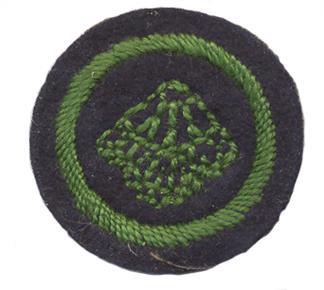
1927 POR – Lace Maker Badge
Must know names of, and be able to describe, four kinds of lace, such as:- Torchon, Irish crochet, Brussels point, filet, ground point, Carrickmacross, Malines, etc.
Mend a piece of lace, real or imitation, very neatly.
Make lace according to one of the following sections, 1-6, or two of the sections 7, 8, 9, using flax, not cotton thread:-
1) Bobbin or pillow lace; be able to manage 30 pairs of bobbins and make five different stitches, and show specimens, including insertion and edging, made unaided.
2) Needlepoint lace; be able to make eight varieties of stitches, including bars, picots, tulle. Show a piece, the work being even and beautiful.
3) Filet or darned net lace; be able to make own net and vary design. Show insertion or several squares.
4) Tambour lace; know the tambour stitch and be able to work in several colours; or, as an alternative, do a piece of “needle run” with at least eight varieties of stitch in the net.
5) Applique on net (Carrickmacross, applique Duchesse, etc.). Show a piece of work, in either style, with lawn or spriggs applied (the spriggs to be self-made).
6) Tatting lace; to know single and double-thread tatting, both for insertion and lace, and be able to manage three threads on separate shuttles at a time.
7) Knitted lace; be able to copy a simple design or follow instructions both in edging and insertion.
8) Crochet; be able to copy a simple design from instruction or specimen; show insertion and edging and corner made unaided; one piece to contain Irish rosettes.
9) Netting lace; work two doyleys with varying widths of mesh and different designs, such as shell or pointed edges.
1927 (July) – Hints on Girl Guide Badges – 10th edition – Lace-Maker Badge
Must know names of, and be able to describe, four kinds of lace, such as: torchon, Irish crochet, Brussels point, filet, ground point, Carickmacross, Milanese, etc.
Mend a piece of lace, real or imitation, very neatly.
Make lace according to one of the following sections 1-6, or two of the sections 7-9, using flax (not cotton) thread:
1) Bobbin or pillow lace: be able to manage 30 pairs of bobbins and make five different stitches, and show specimens, including insertion and edging, made unaided.
2) Needlepoint lace: be able to make eight varieties of stitches, including bars, picots, tulle. Show a piece, the work being even and beautiful.
3) Filet or darned net lace: be able to make own net and vary design. Show insertion or several squares.
4) Tambour lace: know the tambour stitch and be able to work in several colours, or, as an alternative, do a piece of “needle run” with at least eight varieties of stitch in the net.
5) Applique on net: (carrickmacross, applique Duchesse, etc.): Show a piece of work, in either style, with lawn or sprigs applied (the sprigs to be self-made).
6) Tatting lace; to know single and double-thread tatting, both for insertion and lace, and be able to manage three threads on separate shuttles at a time.
7) Knitted lace: be able to copy a simple design or follow instructions both in edging and insertion.
8) Crochet: be able to copy a simple design from instruction or specimen; show insertion and edging and corner made unaided; one piece to contain Irish rosettes.
9) Netting lace: work two doyleys with varying widths of mesh and different designs, such as shell or pointed edges.
1929 (July) – Hints on Girl Guide Badges 12th edition – Lacemaker
Must know names of, and be able to describe, four kinds of lace, such as: torchon, Irish crochet, Brussels point, filet, ground point, Carickmacross, Milanese, etc.
Mend a piece of lace, real or imitation, very neatly.
Make lace according to one of the following sections 1-6, or two of the sections 7-9, using flax, not cotton thread:
1) Bobbin or pillow lace: be able to manage 36 bobbins and make five different stitches, and show specimens, including insertion and edging, made unaided.
2) Needlepoint lace: be able to make eight varieties of stitches, including bars, picots, tulle. Show a piece, the work being even and beautiful.
3) Filet or darned net lace: be able to make own net and vary design. Show insertion or several squares.
4) Tambour lace: know the tambour stitch and be able to work in several colours, or, as an alternative, do a piece of “needle run” with at least eight varieties of stitch in the net.
5) Applique on net: (carrickmacross, applique Duchesse, etc.): Show a piece of work, in either style, with lawn or sprigs applied (the sprigs to be self-made).
6) Tatting lace; to know single and double-thread tatting, both for insertion and lace, and be able to manage three threads on separate shuttles at a time.
7) Knitted lace: be able to copy a simple design or follow instructions both in edging and insertion.
8) Crochet: be able to copy a simple design from instruction or specimen; show insertion and edging and corner made unaided; one piece to contain Irish rosettes.
9) Netting lace: work two doyleys with varying widths of mesh and different designs, such as shell or pointed edges.
1930 POR – Lace Maker Badge
Must know names of, and be able to describe, four kinds of lace, such as: torchon, Irish crochet, Brussels point, filet, ground point, Carickmacross, Milanese, etc.
Mend a piece of lace, real or imitation, very neatly.
Make lace according to one of the following sections 1-6, or two of the sections 7-9, using flax, not cotton thread:
1) Bobbin or pillow lace: be able to manage 30 pairs of bobbins and make five different stitches, and show specimens, including insertion and edging, made unaided.
2) Needlepoint lace: be able to make eight varieties of stitches, including bars, picots, tulle. Show a piece, the work being even and beautiful.
3) Filet or darned net lace: be able to make own net and vary design. Show insertion or several squares.
4) Tambour lace: know the tambour stitch and be able to work in several colours, or, as an alternative, do a piece of “needle run” with at least eight varieties of stitch in the net.
5) Applique on net: (carrickmacross, applique Duchesse, etc.): Show a piece of work, in either style, with lawn or sprigs applied (the sprigs to be self-made).
6) Tatting lace; to know single and double-thread tatting, both for insertion and lace, and be able to manage three threads on separate shuttles at a time.
7) Knitted lace: be able to copy a simple design or follow instructions both in edging and insertion.
8) Crochet: be able to copy a simple design from instruction or specimen; show insertion and edging and corner made unaided; one piece to contain Irish rosettes.
9) Netting lace: work two doyleys with varying widths of mesh and different designs, such as shell or pointed edges.
1931 POR – Lace Maker Badge
Must know names of, and be able to describe, four kinds of lace, such as: torchon, Irish crochet, Brussels point, filet, ground point, Carickmacross, Milanese, etc.
Mend a piece of lace, real or imitation, very neatly.
Make lace according to one of the following sections 1-6, or two of the sections 7-9, using flax, not cotton thread:
1) Bobbin or pillow lace: be able to manage 30 pairs of bobbins and make five different stitches, and show specimens, including insertion and edging, made unaided.
2) Needlepoint lace: be able to make eight varieties of stitches, including bars, picots, tulle. Show a piece, the work being even and beautiful.
3) Filet or darned net lace: be able to make own net and vary design. Show insertion or several squares.
4) Tambour lace: know the tambour stitch and be able to work in several colours, or, as an alternative, do a piece of “needle run” with at least eight varieties of stitch in the net.
5) Applique on net: (carrickmacross, applique Duchesse, etc.): Show a piece of work, in either style, with lawn or sprigs applied (the sprigs to be self-made).
6) Tatting lace; to know single and double-thread tatting, both for insertion and lace, and be able to manage three threads on separate shuttles at a time.
7) Knitted lace: be able to copy a simple design or follow instructions both in edging and insertion.
8) Crochet: be able to copy a simple design from instruction or specimen; show insertion and edging and corner made unaided; one piece to contain Irish rosettes.
9) Netting lace: work two doyleys with varying widths of mesh and different designs, such as shell or pointed edges.
1932 POR – Lace Maker
Know names of, and be able to describe, four kinds of lace, such as: torchon, Irish crochet, Brussels point, filet, ground point, Carickmacross, Milanese, etc.
Mend a piece of lace, real or imitation, very neatly.
Make lace according to one of the following sections 1-6, or two of the sections 7-9, using flax, not cotton thread:
1) Bobbin or pillow lace: be able to manage at least 36 bobbins and make five different stitches, and show specimens, including insertion and edging, made unaided.
2) Needlepoint lace: be able to make eight varieties of stitches, including bars, picots, tulle. Show a piece, the work being even and beautiful.
3) Filet or darned net lace: be able to make own net and vary design. Show insertion of several squares.
4) Tambour lace: know the tambour stitch and be able to work in several colours, or, as an alternative, do a piece of “needle run” with at least eight varieties of stitch in the net.
5) Applique on net: (carrickmacross, applique Duchesse, etc.): Show a piece of work, in either style, with lawn or sprigs applied (the sprigs to be self-made).
6) Tatting lace; to know single and double-thread tatting, both for insertion and lace, and be able to manage three threads on separate shuttles at a time.
7) Knitted lace: be able to copy a simple design or follow instructions both in edging and insertion.
8) Crochet: be able to copy a simple design from instruction or specimen; show insertion and edging and corner made unaided; one piece to contain Irish rosettes.
9) Netting lace: work two doyleys with varying widths of mesh and different designs, such as shell or pointed edges.
1933 Hints on Girl Guide Badges – 15th Edition – Lacemaker Badge
Know names of, and be able to describe, four kinds of lace, such as: torchon, Irish crochet, Brussels point, filet, ground point, Carickmacross, Milanese, etc.
Mend a piece of lace, real or imitation, very neatly.
Make lace according to one of the following sections 1-6, or two of the sections 7-9, using flax, not cotton thread:
1) Bobbin or pillow lace: be able to manage at least 36 bobbins and make five different stitches, and show specimens, including insertion and edging, made unaided.
2) Needlepoint lace: be able to make eight varieties of stitches, including bars, picots, tulle. Show a piece, the work being even and beautiful.
3) Filet or darned net lace: be able to make own net and vary design. Show insertion of several squares.
4) Tambour lace: know the tambour stitch and be able to work in several colours, or, as an alternative, do a piece of “needle run” with at least eight varieties of stitch in the net.
5) Applique on net: (carrickmacross, applique Duchesse, etc.): Show a piece of work, in either style, with lawn or sprigs applied (the sprigs to be self-made).
6) Tatting lace; to know single and double-thread tatting, both for insertion and lace, and be able to manage three threads on separate shuttles at a time.
7) Knitted lace: be able to copy a simple design or follow instructions both in edging and insertion.
8) Crochet: be able to copy a simple design from instruction or specimen; show insertion and edging and corner made unaided; one piece to contain Irish rosettes.
9) Netting lace: work two doyleys with varying widths of mesh and different designs, such as shell or pointed edges.
1934 POR – Lace Maker
Must know names of, and be able to describe, four kinds of lace, such as: Torchon, Irish crochet, Brussels point, filet, ground point, Carickmacross, Milanese, etc.
Mend a piece of lace, real or imitation, very neatly.
Make lace according to one of the following sections 1-6, or two of the sections 7, 8, 9, using flax, not cotton thread:
1) Bobbin or pillow lace: be able to manage at least 36 bobbins and make five different stitches, and show specimens, including insertion and edging, made unaided.
2) Needlepoint lace: be able to make eight varieties of stitches, including bars, picots, tulle. Show a piece, the work being even and beautiful.
3) Filet or darned net lace: be able to make own net and vary design. Show insertion or several squares.
4) Tambour lace: know the tambour stitch and be able to work in several colours, or, as an alternative, do a piece of “needle run” with at least eight varieties of stitch in the net.
5) Applique on net: (Carrickmacross, applique Duchesse, etc.): Show a piece of work, in either style, with lawn or sprigs applied (the sprigs to be self-made).
6) Tatting lace; to know single and double-thread tatting, both for insertion and lace, and be able to manage three threads on separate shuttles at a time.
7) Knitted lace: be able to copy a simple design or follow instructions both in edging and insertion.
8) Crochet: be able to copy a simple design from instruction or specimen; show insertion and edging and corner made unaided; one piece to contain Irish rosettes.
9) Netting lace: work two doyleys with varying widths of mesh and different designs, such as shell or pointed edges.
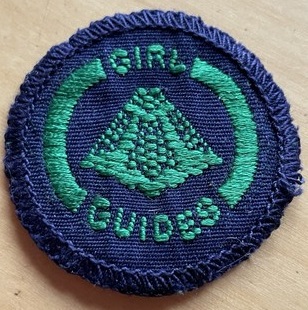
1935 POR – Lace Maker
Must know names of, and be able to describe, four kinds of lace, such as: torchon, Irish crochet, Brussels point, filet, ground point, Carickmacross, Milanese, etc.
Mend a piece of lace, real or imitation, very neatly.
Make lace according to one of the following sections 1-6, or two of the sections 7-9, using flax, not cotton thread:
1) Bobbin or pillow lace: be able to manage 30 pairs of bobbins and make five different stitches, and show specimens, including insertion and edging, made unaided.
2) Needlepoint lace: be able to make eight varieties of stitches, including bars, picots, tulle. Show a piece, the work being even and beautiful.
3) Filet or darned net lace: be able to make own net and vary design. Show insertion or several squares.
4) Tambour lace: know the tambour stitch and be able to work in several colours, or, as an alternative, do a piece of “needle run” with at least eight varieties of stitch in the net.
5) Applique on net: (carrickmacross, applique Duchesse, etc.): Show a piece of work, in either style, with lawn or sprigs applied (the sprigs to be self-made).
6) Tatting lace; to know single and double-thread tatting, both for insertion and lace, and be able to manage three threads on separate shuttles at a time.
7) Knitted lace: be able to copy a simple design or follow instructions both in edging and insertion.
8) Crochet: be able to copy a simple design from instruction or specimen; show insertion and edging and corner made unaided; one piece to contain Irish rosettes.
9) Netting lace: work two doyleys with varying widths of mesh and different designs, such as shell or pointed edges.
1938 POR – Lace Maker
Must know names of, and be able to describe, four kinds of lace, such as: torchon, Irish crochet, Brussels point, filet, ground point, Carickmacross, Milanese, etc.
Mend a piece of lace, real or imitation, very neatly.
Make lace according to one of the following sections 1-6, or two of the sections 7-9, using flax, not cotton thread:
1) Bobbin or pillow lace: be able to manage at least 36 bobbins and make five different stitches, and show specimens, including insertion and edging, made unaided.
2) Needlepoint lace: be able to make eight varieties of stitches, including bars, picots, tulle. Show a piece, the work being even and beautiful.
3) Filet or darned net lace: be able to make own net and vary design. Show insertion or several squares.
4) Tambour lace: know the tambour stitch and be able to work in several colours, or, as an alternative, do a piece of “needle run” with at least eight varieties of stitch in the net.
5) Applique on net: (carrickmacross, applique Duchesse, etc.): Show a piece of work, in either style, with lawn or sprigs applied (the sprigs to be self-made).
6) Tatting lace; know single and double-thread tatting, both for insertion and lace, and be able to manage three threads on separate shuttles at a time.
7) Knitted lace: be able to copy a simple design or follow instructions both in edging and insertion.
8) Crochet: be able to copy a simple design from instruction or specimen; show insertion and edging and corner made unaided; one piece to contain Irish rosettes.
9) Netting lace: work two doyleys with varying widths of mesh and different designs, such as shell or pointed edges.
1939 POR – Lace Maker Badge
1) Know names of, and be able to describe, four kinds of lace, such as: Torchon, Irish crochet, Brussels point, filet, ground point, Carickmacross, Milanese, etc.
2) Mend a piece of lace, real or imitation, very neatly.
3) Make lace according to one of the following sections 1-6, or two of the sections 7, 8. 9, using flax, not cotton thread:
a) Bobbin or pillow lace: be able to manage at least 36 bobbins and make five different stitches, and show specimens, including insertion and edging, made unaided.
b) Needlepoint lace: be able to make eight varieties of stitches, including bars, picots, tulle. Show a piece, the work being even and beautiful.
c) Filet or darned net lace: be able to make own net and vary design. Show insertion or several squares.
d) Tambour lace: know the tambour stitch and be able to work in several colours, or, as an alternative, do a piece of “needle run” with at least eight varieties of stitch in the net.
e) Applique on net: (Carrickmacross, applique Duchesse, etc.): Show a piece of work, in either style, with lawn or sprigs applied (the sprigs to be self-made).
f) Tatting lace; know single and double-thread tatting, both for insertion and lace, and be able to manage three threads on separate shuttles at a time.
g) Knitted lace: be able to copy a simple design or follow instructions both in edging and insertion.
h) Crochet: be able to copy a simple design from instruction or specimen; show insertion and edging and corner made unaided; one piece to contain Irish rosettes.
i) Netting lace: work two d’oyleys with varying widths of mesh and different designs, such as shell or pointed edges.
1940 Hints on Girl Guide Badges – Lace-Maker Badge
Know names of and be able to describe four kinds of lace, such as:- Torchon, Irish, crochet, Brussels point, filet, point ground, Carrickmacross, Milanese, etc.
Mend a piece of lace, real or imitation, very neatly.
Make lace according to one of the Sections 1-6, or two of the sections, 7, 8, 9, using flax (not cotton) thread.
- Bobbin or pillow lace: be able to manage at least 36 bobbins and make five different stitches, and show specimens, including insertion and edging, made unaided.
- Needlepoint lace: be able to make eight varieties of stitches, including bars, picots, tulle. Show a piece, the work being even and beautiful.
- Filet or darned net lace: be able to make own net and vary design. Show insertion or several squares.
- Tambour lace: know the tambour stitch and be able to work in several colours; or, as an alternative, do a piece of “needle-run” with at least eight varieties of stitch in the net.
- Applique on net (Carrickmacross, applique, Duchesse, etc.). Show a piece of work, in either style, with lawn or sprigs applied (the sprigs to be self-made).
- Tatting lace: to know single and double thread tatting, both for insertion and lace, and be able to manage three threads on separate shuttles at a time.
- Knitted lace: be able to copy a simple design or follow instructions both in edging and insertion.
- Crochet: be able to copy a simple design from instruction or specimen; show insertion and edging and corner made unaided; one piece to contain Irish rosettes.
- Netting lace: work two doyleys with varying widths of mesh and different designs, such as shell or pointed edges.
1943 POR – Lace Maker Badge
1) Know names of, and be able to describe, four kinds of lace, such as: Torchon, Irish crochet, Brussels point, filet, ground point, Carickmacross, Milanese, etc.
2) Mend a piece of lace, real or imitation, very neatly.
3) Make a lace according to two of the sections; one to be chosen from clauses (a) to (e), and one from clauses (f) to (i).
(a) Bobbin or pillow lace; be able to manage at least 36 bobbins and make five different stitches, and show specimens, including insertion and edging, made unaided.
(b) Needlepoint lace: be able to make eight varieties of stitches, including bars, picots, tulle. Show a piece, the work being even and beautiful.
(c) Filet or darned net lace: be able to make own net and vary design. Show insertion or several squares.
(d) Tambour lace: know the tambour stitch and be able to work in several colours; or do a piece of “needle run” with at least eight varieties of stitch in the net.
(e) Applique on net (Carrickmacross, applique Duchesse, etc.). Show a piece of work, in either style, with lawn or sprigs applied (the sprigs to be self-made).
(f) Tatting lace; know single and double-thread tatting, both for insertion and lace, and be able to manage three threads on separate shuttles at a time.
(g) Knitted lace: be able to copy a simple design or follow instructions both in edging and insertion.
(h) Crochet: be able to copy a simple design from instruction or specimen; show insertion and edging and corner made unaided; one piece to contain Irish rosettes.
(i) Netting lace: work two d’oyleys with varying widths of mesh and different designs, such as shell or pointed edges.
1945 Hints on Girl Guide Badges 20th Edition – Lace-Maker Badge
- Know names of, and be able to describe, four kinds of lace, such as: Torchon, Irish crochet, Brussels point, filet, ground point, Carrickmacross, Milanese, etc.
2) Mend a piece of lace, real or imitation, very neatly.
3) Make a lace according to two of the following sections: one to be chosen from clauses (a) to (e), and one from clauses (f) to (i).
(a) Bobbin or pillow lace; be able to manage at least 36 bobbins and make five different stitches, and show specimens, including insertion and edging, made unaided.
(b) Needlepoint lace; be able to make eight varieties of stitches, including bars, picots, tulle. Show a piece, the work being even and beautiful.
(c) Filet or darned net lace; be able to make own net and vary design. Show insertion or several squares.
(d) Tambour lace; know the tambour stitch and be able to work in several colours; or, as an alternative, do a piece of “needle run” with at least eight varieties of stitch in the net.
(e) Applique or net (Carrickmacross, applique, Duchesse, etc.). Show a piece of work, in either style, with lawn or sprigs applied (the sprigs to be self-made).
(f) Tapping lace; know single and double-thread tatting, both for insertion and lace, and be able to manage three threads on separate shuttles at a time.
(g) Knitted lace; be able to copy a simple design or follow instructions both in edging and insertion.
(h) Crochet; be able to copy a simple design from instruction or specimen. Show insertion and edging and corner made unaided; one piece to contain Irish rosettes.
(i) Netting lace; work two d’oyleys with varying widths of mesh and different designs, such as shell or pointed edges.
1947 POR – Lace Maker Badge
1) Know names of, and be able to describe, four kinds of lace, such as: Torchon, Irish crochet, Brussels point, filet, ground point, Carickmacross, Milanese, etc.
2) Mend a piece of lace, real or imitation, very neatly.
3) Make a lace according to two of the sections; one to be chosen from clauses (a) to (e), and one from clauses (f) to (i).
(a) Bobbin or pillow lace; be able to manage at least 36 bobbins and make five different stitches, and show specimens, including insertion and edging, made unaided.
(b) Needlepoint lace: be able to make eight varieties of stitches, including bars, picots, tulle. Show a piece, the work being even and beautiful.
(c) Filet or darned net lace: be able to make own net and vary design. Show insertion or several squares.
(d) Tambour lace: know the tambour stitch and be able to work in several colours; or do a piece of “needle run” with at least eight varieties of stitch in the net.
(e) Applique on net (Carrickmacross, applique Duchesse, etc.). Show a piece of work, in either style, with lawn or sprigs applied (the sprigs to be self-made).
(f) Tatting lace; know single and double-thread tatting, both for insertion and lace, and be able to manage three threads on separate shuttles at a time.
(g) Knitted lace: be able to copy a simple design or follow instructions both in edging and insertion.
(h) Crochet: be able to copy a simple design from instruction or specimen; show insertion and edging and corner made unaided; one piece to contain Irish rosettes.
(i) Netting lace: work two d’oyleys with varying widths of mesh and different designs, such as shell or pointed edges.
1950 POR – Lace Maker Badge
1) Know names of, and be able to describe, four kinds of lace, such as: Torchon, Irish crochet, Brussels point, filet, ground point, Carickmacross, Milanese, etc.
2) Mend a piece of lace, real or imitation, very neatly.
3) Make a lace according to two of the sections; one to be chosen from clauses (a) to (e), and one from clauses (f) to (i).
(a) Bobbin or pillow lace; be able to manage at least 36 bobbins and make five different stitches, and show specimens, including insertion and edging, made unaided.
(b) Needlepoint lace: be able to make eight varieties of stitches, including bars, picots, tulle. Show a piece, the work being even and beautiful.
(c) Filet or darned net lace: be able to make own net and vary design. Show insertion or several squares.
(d) Tambour lace: know the tambour stitch and be able to work in several colours; or do a piece of “needle run” with at least eight varieties of stitch in the net.
(e) Applique on net (Carrickmacross, applique Duchesse, etc.). Show a piece of work, in either style, with lawn or sprigs applied (the sprigs to be self-made).
(f) Tatting lace; know single and double-thread tatting, both for insertion and lace, and be able to manage three threads on separate shuttles at a time.
(g) Knitted lace: be able to copy a simple design or follow instructions both in edging and insertion.
(h) Crochet: be able to copy a simple design from instruction or specimen; show insertion and edging and corner made unaided; one piece to contain Irish rosettes.
(i) Netting lace: work two d’oyleys with varying widths of mesh and different designs, such as shell or pointed edges.
1953 POR – Lace Maker Badge
1) Know names of, and be able to describe, four kinds of lace, such as: Torchon, Irish crochet, Brussels point, filet, ground point, Carickmacross, Milanese, etc.
2) Mend a piece of lace, real or imitation, very neatly.
3) Make a lace according to two of the sections; one to be chosen from clauses (a) to (e), and one from clauses (f) to (i).
(a) Bobbin or pillow lace; be able to manage at least 36 bobbins and make five different stitches, and show specimens, including insertion and edging, made unaided.
(b) Needlepoint lace: be able to make eight varieties of stitches, including bars, picots, tulle. Show a piece, the work being even and beautiful.
(c) Filet or darned net lace: be able to make own net and vary design. Show insertion or several squares.
(d) Tambour lace: know the tambour stitch and be able to work in several colours; or do a piece of “needle run” with at least eight varieties of stitch in the net.
(e) Applique on net (Carrickmacross, applique Duchesse, etc.). Show a piece of work, in either style, with lawn or sprigs applied (the sprigs to be self-made).
(f) Tatting lace; know single and double-thread tatting, both for insertion and lace, and be able to manage three threads on separate shuttles at a time.
(g) Knitted lace: be able to copy a simple design or follow instructions both in edging and insertion.
(h) Crochet: be able to copy a simple design from instruction or specimen; show insertion and edging and corner made unaided; one piece to contain Irish rosettes.
(i) Netting lace: work two d’oyleys with varying widths of mesh and different designs, such as shell or pointed edges.
1957 POR – Lace Maker Badge
1) Name and describe four kinds of lace, e.g. Torchon, Irish crochet, Brussels point, filet, ground point, Carickmacross, Milanese, etc.
2) Mend, very neatly, a piece of real or imitation lace.
3) Pass one of the following clauses:
(a) Bobbin or pillow lace; manage at least 36 bobbins; make five different stitches; show specimens to include insertion and edging.
(b) Needlepoint lace: Make eight varieties of stitch, to include bars, picots, tulle.
(c) Filet or darned net lace: Make own net and vary design. Show insertion or several squares.
(d) Tambour lace: know the tambour stitch. Work in several colours; or do a piece of “needle run” with at least eight varieties of stitch in the net.
(e) Applique on net, e.g. Carrickmacross, applique Duchesse, etc. Show a piece of work, including lawn or sprigs.
4) Pass one of the following clauses:
a) Tatting lace; Know single and double-thread tatting, both for insertion and lace; manage three threads at a time on separate shuttles.
b) Knitted lace: Copy a simple design, or follow instructions, showing edging and insertion.
c) Crochet: Copy a simple design, or follow directions, showing insertion, edging, corner, and Irish rosettes.
d) Netting lace: work two d’oyleys with varying widths of mesh and different designs, such as shell or pointed edges.
1960 POR – Lace Maker Badge
1) Name and describe four different kinds of lace, e.g. Torchon, Irish crochet, Brussels point, filet, ground point, Carickmacross, Milanese, etc.
2) Mend, very neatly, a piece of real or imitation lace.
3) Pass one of the following clauses:
(a) Bobbin or pillow lace; manage at least 36 bobbins; make five different stitches; show specimens to include insertion and edging.
(b) Needlepoint lace: Make eight varieties of stitch, to include bars, picots, tulle.
(c) Filet or darned net lace: Make own net and vary design. Show insertion or several squares.
(d) Tambour lace: know the tambour stitch. Work in several colours; or do a piece of “needle run” with at least eight varieties of stitch in the net.
(e) Applique on net, e.g. Carrickmacross, applique Duchesse, etc. Show a piece of work, including lawn or sprigs.
4) Pass one of the following clauses:
a) Tatting lace; Know single and double-thread tatting, both for insertion and lace; manage three threads at a time on separate shuttles.
b) Knitted lace: Copy a simple design, or follow instructions, showing edging and insertion.
c) Crochet: Copy a simple design, or follow directions, showing insertion, edging, corner, and Irish rosettes.
d) Netting lace: work two d’oyleys with varying widths of mesh and different designs, such as shell or pointed edges.
1961 (July) POR – Lace Maker Badge
1) Name and describe four different kinds of lace, e.g. Torchon, Irish crochet, Brussels point, filet, ground point, Carickmacross, Milanese, etc.
2) Mend, very neatly, a piece of real or imitation lace.
3) Pass one of the following clauses:
(a) Bobbin or pillow lace; manage at least 36 bobbins; make five different stitches; show specimens to include insertion and edging.
(b) Needlepoint lace: Make eight varieties of stitch, to include bars, picots, tulle.
(c) Filet or darned net lace: Make own net and vary design. Show insertion or several squares.
(d) Tambour lace: know the tambour stitch. Work in several colours; or Show a piece of “needle run” with at least eight varieties of stitch in the net.
(e) Applique on net, e.g. Carrickmacross, applique Duchesse, etc. Show a piece of work, including lawn or sprigs.
4) Pass one of the following clauses:
a) Tatting lace; Know single and double-thread tatting, both for insertion and lace; manage three threads at a time on separate shuttles.
(g) Knitted lace: Copy a simple design, or follow instructions, showing edging and insertion.
(h) Crochet: Copy a simple design, or follow directions, showing insertion, edging, corner, and Irish rosettes.
(i) Netting lace: work two d’oyleys with varying widths of mesh and different designs, such as shell or pointed edges.
1964 (March) POR – Lace Maker Badge
1) Name and describe four different kinds of lace, e.g. Torchon, Irish crochet, Brussels point, filet, ground point, Carickmacross, Milanese, etc.
2) Mend, very neatly, a piece of real or imitation lace.
3) Pass one of the following clauses:
(a) Bobbin or pillow lace; manage at least 36 bobbins; make five different stitches; show specimens to include insertion and edging.
(b) Needlepoint lace: Make eight varieties of stitch, to include bars, picots, tulle.
(c) Filet or darned net lace: Make own net and vary design. Show insertion or several squares.
(d) Tambour lace: know the tambour stitch. Work in several colours; or Show a piece of “needle run” with at least eight varieties of stitch in the net.
(e) Applique on net, e.g. Carrickmacross, applique Duchesse, etc. Show a piece of work, including lawn or sprigs.
4) Pass one of the following clauses:
a) Tatting lace; Know single and double-thread tatting, both for insertion and lace; manage three threads at a time on separate shuttles.
(g) Knitted lace: Copy a simple design, or follow instructions, showing edging and insertion.
(h) Crochet: Copy a simple design, or follow directions, showing insertion, edging, corner, and Irish rosettes.
(i) Netting lace: work two d’oyleys with varying widths of mesh and different designs, such as shell or pointed edges.
1965 (July) POR – Lace Maker Badge
1) Name and describe four different kinds of lace, e.g. Torchon, Irish crochet, Brussels point, filet, ground point, Carickmacross, Milanese, etc.
2) Mend, very neatly, a piece of real or imitation lace.
3) Pass one of the following clauses:
(a) Bobbin or pillow lace; manage at least 36 bobbins; make five different stitches; show specimens to include insertion and edging.
(b) Needlepoint lace: Make eight varieties of stitch, to include bars, picots, tulle.
(c) Filet or darned net lace: Make own net and vary design. Show insertion or several squares.
(d) Tambour lace: know the Tambour stitch. Work in several colours; or Show a piece of “needle run” with at least eight varieties of stitch in the net.
(e) Applique on net, e.g. Carrickmacross, applique Duchesse, etc. Show a piece of work, including lawn or sprigs.
4) Pass one of the following clauses:
a) Tatting lace; Know single and double-thread tatting, both for insertion and lace; manage three threads at a time on separate shuttles.
(g) Knitted lace: Copy a simple design, or follow instructions, showing edging and insertion.
(h) Crochet: Copy a simple design, or follow directions, showing insertion, edging, corner, and Irish rosettes.
(i) Netting lace: work two d’oyleys with varying widths of mesh and different designs, such as shell or pointed edges.
1968 Guide Handbook – Lace Maker Badge
1) Name and describe four different kinds of lace, e.g. Torchon, Irish crochet, Brussels point, filet, ground point, Carickmacross, Milanese, etc.
2) Mend, very neatly, a piece of real or imitation lace.
3) Pass one of the following clauses:
(a) Bobbin or pillow lace; manage at least 36 bobbins; make five different stitches; show specimens to include insertion and edging.
(b) Needlepoint lace: Make eight varieties of stitch, to include bars, picots, tulle.
(c) Filet or darned net lace: Make own net and vary design. Show insertion or several squares.
(d) Tambour lace: know the tambour stitch. Work in several colours; or Show a piece of “needle run” with at least eight varieties of stitch in the net.
(e) Applique on net, e.g. Carrickmacross, applique Duchesse, etc. Show a piece of work, including lawn or sprigs.
4) Pass one of the following clauses:
a) Tatting lace; Know single and double-thread tatting, both for insertion and lace; manage three threads at a time on separate shuttles.
(g) Knitted lace: Copy a simple design, or follow instructions, showing edging and insertion.
(h) Crochet: Copy a simple design, or follow directions, showing insertion, edging, corner, and Irish rosettes.
(i) Netting lace: work two d’oyleys with varying widths of mesh and different designs, such as shell or pointed edges.
1973 Guide Handbook – Lace-Maker Badge
Syllabus available by writing to the Training Department at Commonwealth Headquarters.
1978 Guide Interest Badge Amendments – Lace-Maker Badge – This badge has now been discontinued.
 Leslie's Guiding Badge History