
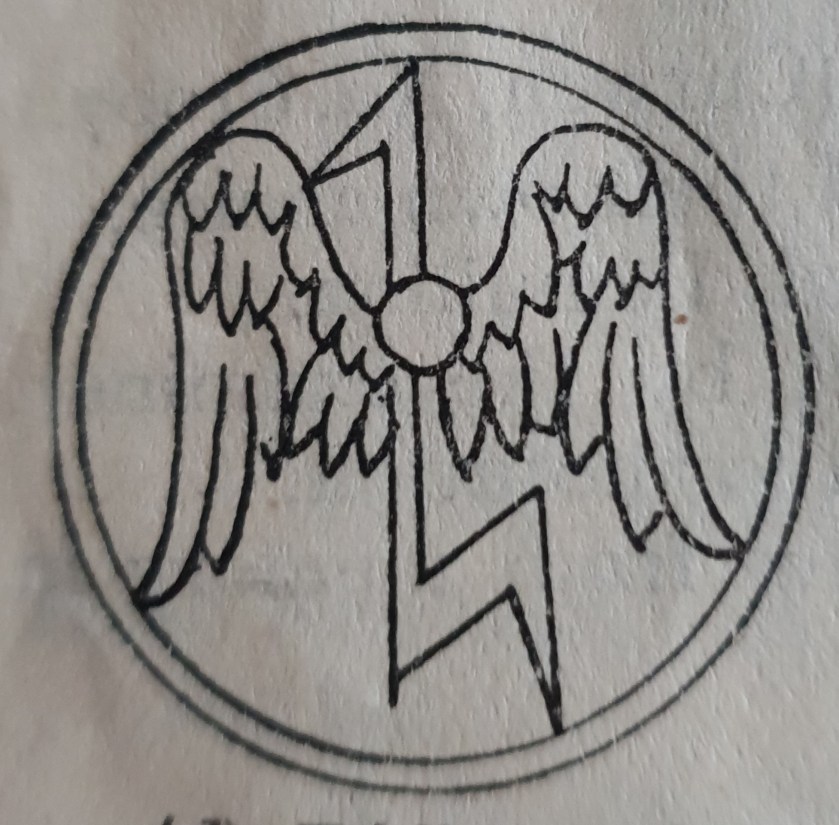
1927 POR – Decoder Badge
A new Test consisting of:-
a) Recording signals correctly on a signal pad, and writing and printing clearly (block letters).
b) Coding messages correctly, using the fewest possible number of groups (Bentley or Western Union five-letter code).
c) Decoding messages and understanding the methods by which defective groups can be traced.
d) Differentiating between a code and a cypher, with a rough idea of the purposes for which they are used.
e) Knowing the Morse Code.
f) Understanding Code Time, Latitude and Longitude.
g) Having a rough idea of what time it would be in any part of the globe at midday (Greenwich time).
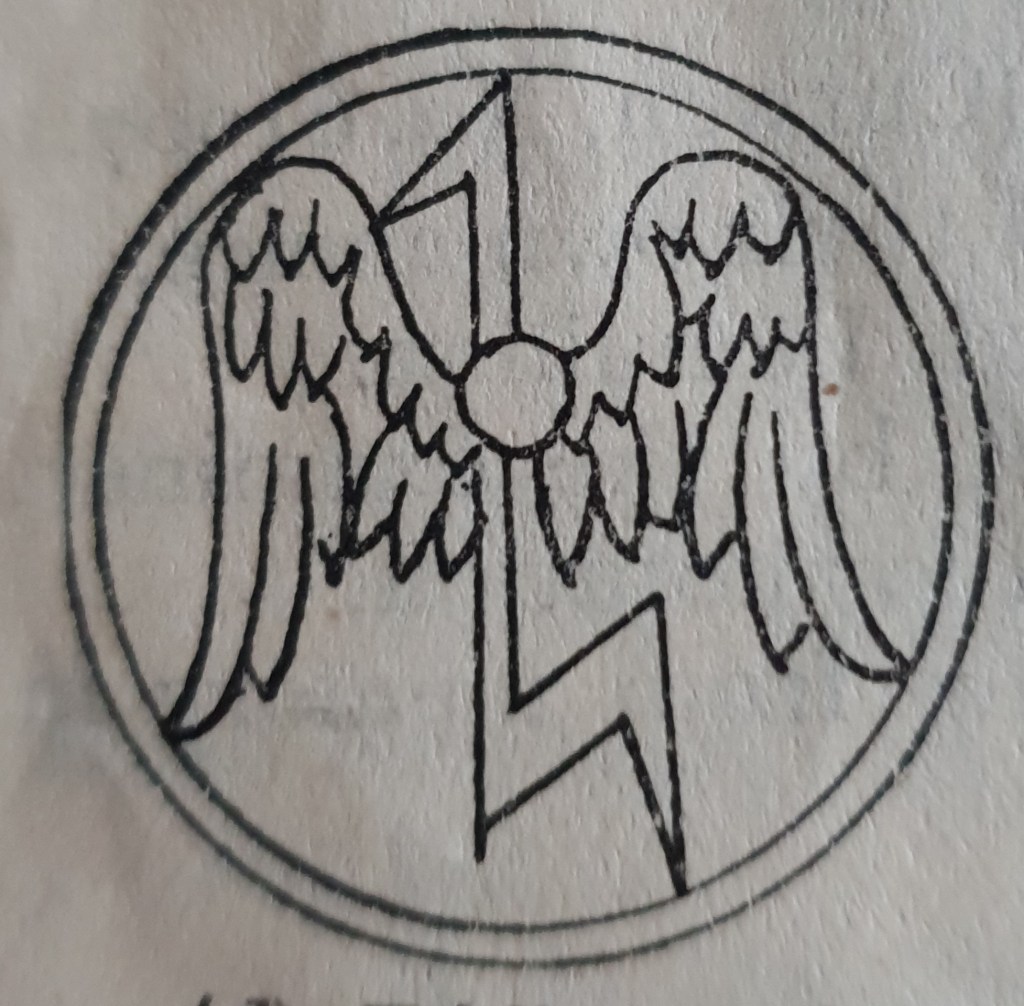
1929 POR – Decoder Badge
Must be able to:
a) Record signals correctly on a signal pad, and writing and printing clearly (block letters).
b) Code messages correctly, using the fewest possible number of groups (Bentley or Western Union five-letter code).
c) Decode messages and understand the methods by which defective groups can be traced.
d) Differentiate between a code and a cypher, with a rough idea of the purposes for which they are used.
e) Know the Morse code.
f) Understand code, time, latitude, and longitude.
g) Have a rough idea of what time it would be in any part of the globe at midday (Greenwich time).
1930 POR – Decoder Badge
Must be able to:
a) Record signals correctly on a signal pad, and writing and printing clearly (block letters).
b) Code messages correctly, using the fewest possible number of groups (Bentley or Western Union five-letter code).
c) Decode messages and understand the methods by which defective groups can be traced.
d) Differentiate between a code and a cypher, with a rough idea of the purposes for which they are used.
e) Know the Morse code.
f) Understand code, time, latitude, and longitude.
g) Have a rough idea of what time it would be in any part of the globe at midday (Greenwich time).
1931 POR – Decoder Badge
Must be able to:
a) Record signals correctly on a signal pad, and writing and printing clearly (block letters).
b) Code messages correctly, using the fewest possible number of groups (Bentley or Western Union five-letter code).
c) Decode messages and understand the methods by which defective groups can be traced.
d) Differentiate between a code and a cypher, with a rough idea of the purposes for which they are used.
e) Know the Morse code.
f) Understand code, time, latitude, and longitude.
g) Have a rough idea of what time it would be in any part of the globe at midday (Greenwich time).
1932 Decoder Badge
Be able to:
a) Record signals correctly on a signal pad, and writing and printing clearly (block letters).
b) Code messages correctly, using the fewest possible number of groups (Bentley’s code or any other approved code in public use).
c) Decode messages and understand the methods by which defective groups can be traced.
d) Differentiate between a code and a cypher, with a rough idea of the purposes for which they are used.
e) Know the Morse code.
f) Understand code time, latitude, and longitude.
g) Have a rough idea of what time it would be in any part of the globe at midday (Greenwich time).
1934 Decoder Badge
Be able to:
a) Record signals correctly on a signal pad, and writing and printing clearly (block letters).
b) Code messages correctly, using the fewest possible number of groups (Bentley’s code or any other approved code in public use).
c) Decode messages and understand the methods by which defective groups can be traced.
d) Differentiate between a code and a cypher, with a rough idea of the purposes for which they are used.
e) Know the Morse code.
f) Understand code time, latitude, and longitude.
g) Have a rough idea of what time it would be in any part of the globe at midday (Greenwich time).
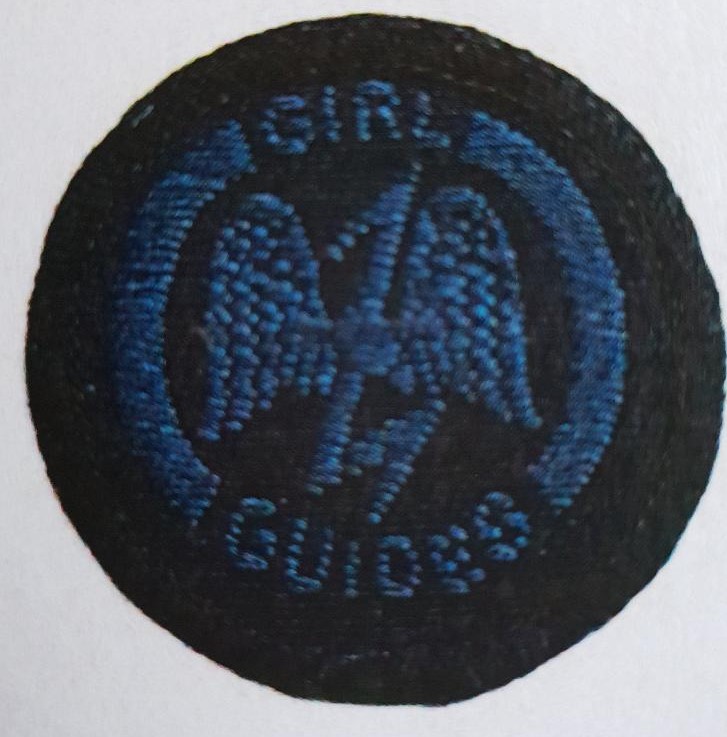
1935 Decoder Badge (Badge shown is the Sea Ranger version)
Be able to:
a) Record signals correctly on a signal pad, and writing and printing clearly (block letters).
b) Code messages correctly, using the fewest possible number of groups (Bentley’s code or any other approved code in public use).
c) Decode messages and understand the methods by which defective groups can be traced.
d) Differentiate between a code and a cypher, with a rough idea of the purposes for which they are used.
e) Know the Morse code.
f) Understand code time, latitude, and longitude.
g) Have a rough idea of what time it would be in any part of the globe at midday (Greenwich time).
1938 Decoder Badge (Badge shown is the Sea Ranger version)
Be able to:
a) Record signals correctly on a signal pad, and writing and printing clearly (block letters).
b) Code messages correctly, using the fewest possible number of groups (Bentley’s code or any other approved code in public use).
c) Decode messages and understand the methods by which defective groups can be traced.
d) Differentiate between a code and a cypher, with a rough idea of the purposes for which they are used.
e) Know the Morse code.
f) Understand code time, latitude, and longitude.
g) Have a rough idea of what time it would be in any part of the globe at midday (Greenwich time).
1939 Decoder Badge (Badge shown is the Sea Ranger version)
1) Record signals correctly on a signal pad, and writing and printing clearly (block letters).
2) Code messages correctly, using the fewest possible number of groups (Bentley’s code or any other approved code in public use).
3) Decode messages and understand the methods by which defective groups can be traced.
4) Differentiate between a code and a cypher, with a rough idea of the purposes for which they are used.
5) Know the Morse code.
6) Understand code time, latitude, and longitude.
7) Have a rough idea of what time it would be in any part of the globe at midday (Greenwich time).
 Leslie's Guiding Badge History