
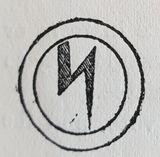
1921 POR – Electrical Engineer Badge
Must have knowledge of the methods of rescue and resuscitation of persons suffering from electric shock.
Must have an elementary knowledge of the following: The Volt, Ohm, Ampere, Watt. Insulators and Conductors.
The analogy between the flow of electricity in conductors and the flow of waters in pipes.
Simple forms of Ammeter, Voltmeter and Wattmeter, and how to connect these instruments to the circuit.
Common forms of primary batteries, dry batteries and accumulators. Electrolysis.
The electric production of heat.
Magnets and lines of magnetic force. The electromagnet.
Induction of currents by a magnetic field.
The magneto. The induction coil and transformer.
The dynamo. The continuous current motor.
The alternating current generator.
She must also be able to pass one of the following series of tests:
(1) Electric Wiring.
To determine the gauge of wires required for the different sections of an electric light installation.
To join insulated wires up to 7/18..
To wire and fix switches, ceiling roses, lamp-holders, wall plugs, and other ordinary electric lighting appliances, including heating apparatus and fuses.
(2) Telegraphy and Telephony.
Must pass the Telegraphist’s badge.
Be able to read and transmit at not less than 20 words a minute with the Morse Sounder.
Must understand the principles of the automatic transmitter.
Must understand the action of a telephone in transmitting and receiving, and be able to connect up a field telephone and execute repairs in the circuit.
Must understand the details and methods of working an “extension” switchboard.
(3) Galvanoplastics.
Must understand the processes of electrotyping, electroplating and electrogilding, the preparation and proper temperature of the bath, and the preparation of the conducting surface for electrotyping, plating and gilding.
(4) Electric Motor Driving.
Must understand the principles underlying the working of continuous current, alternating current, and three-phase motors.
Also transformer power sub-stations for power distribution.
Must understand: The controllers used on tramcars. The trolley systems of collecting current. The care of motors.
(5) Wireless Telegraphist.
Must pass the Telegraphist’s test.
Must understand:
Oscillatory discharges and their analogy to the oscillations of a spring.
The production of Hertz waves.
Some of the modern forms of receivers.
Must be able to transmit and read wireless messages at the rate of 20 words per minute.
(6) Medical Electricity.
Must understand:
The electric cautery.
The application, under medical instructions, of continuous and interrupted currents and currents of varying strength.
The induction coil.
Vacuum tube discharges and the changes in their character, with changes of residual pressure.
The production and properties of X-rays.
The management of X-ray apparatus.
1924 POR – Electrical Engineer
Must have knowledge of the methods of rescue and resuscitation of persons suffering from electric shock.
Must have an elementary knowledge of the following: The Volt, Ohm, Ampere, Watt. Insulators and Conductors.
The analogy between the flow of electricity in conductors and the flow of waters in pipes.
Simple forms of Ammeter, Voltmeter and Wattmeter, and how to connect these instruments to the circuit.
Common forms of primary batteries, dry batteries and accumulators. Electrolysis.
The electric production of heat.
Magnets and lines of magnetic force. The electromagnet.
Induction of currents by a magnetic field.
The magneto. The induction coil and transformer.
The dynamo. The continuous current motor.
The alternating current generator.
She must also be able to pass one of the following series of tests:
(1) Electric Wiring.
To determine the gauge of wires required for the different sections of an electric light installation.
To join insulated wires up to 7/18..
To wire and fix switches, ceiling roses, lamp-holders, wall plugs, and other ordinary electric lighting appliances, including heating apparatus and fuses.
(2) Telegraphy and Telephony.
Must pass the Telegraphist’s badge.
Be able to read and transmit at not less than 20 words a minute with the Morse Sounder.
Must understand the principles of the automatic transmitter.
Must understand the action of a telephone in transmitting and receiving, and be able to connect up a field telephone and execute repairs in the circuit.
Must understand the details and methods of working an “extension” switchboard.
(3) Galvanoplastics.
Must understand the processes of electrotyping, electroplating and electrogilding, the preparation and proper temperature of the bath, and the preparation of the conducting surface for electrotyping, plating and gilding.
(4) Electric Motor Driving.
Must understand the principles underlying the working of continuous current, alternating current, and three-phase motors.
Also transformer power sub-stations for power distribution.
Must understand: The controllers used on tramcars. The trolley systems of collecting current. The care of motors.
(5) Wireless Telegraphist.
Must pass the Telegraphist’s test.
Must understand:
Oscillatory discharges and their analogy to the oscillations of a spring.
The production of Hertz waves.
Some of the modern forms of receivers.
Must be able to transmit and read wireless messages at the rate of 20 words per minute.
(6) Medical Electricity.
Must understand:
The electric cautery.
The application, under medical instructions, of continuous and interrupted currents and currents of varying strength.
The induction coil.
Vacuum tube discharges and the changes in their character, with changes of residual pressure.
The production and properties of X-rays.
The management of X-ray apparatus.

1927 POR – Electrical Engineer Badge
Must have knowledge of method of rescue and resuscitation of persons suffering from shock.
Must have elementary knowledge of the following: The Volt, Ohm, Ampere, Kilowatt-hour, Insulators and Conductors.
The analogy between flow of electricity in conductors and flow of water in pipes.
The electric production of heat with simple domestic examples.
The electric production of motion with domestic examples. (Describe one type of motor).
The generation of electricity by:- 1) Chemical means (one type of primary cell). 2) Magnetic induction (one type of dynamo).
The electric production of light. (Describe one type of lamp in detail).
One type of accumulator with examples of methods of using it both on charge and discharge.
She must also be able to wire a switch, ceiling rose, lampholder and wall plug. She must be able to explain the uses of a fuse-board and show how to replace fuses.
She must be able to take to pieces, clean and re-assemble one piece of domestic electrical apparatus, e.g. iron, kettle, fan, etc.
She must also do one piece of practical work in a neat and workmanlike manner and write a full account of the reason s underlying the construction and performance of the piece of apparatus made.
Examples of work which will be accepted are attached, but others selected by the candidate may be submitted for approval. 1) Wire a room, hut or bungalow for lighting. Not less than 2 points should be wired. Give a diagram of connections, reasons for the lamps, cables and fuses used and details of candle power of lamps. 2) Make a coil resistance radiator. Give details of resistance of the wire, watts consumed, and heat generated. 3) Make a wireless set. Explain the theory of wireless waves and the purpose of each part of the apparatus with diagram of connections. 4) Build a model dynamo. Give an account of the theories involved and also of the performance of this dynamo under various conditions. (Volts and Amps generated). 5) Make an induction coil. Say what it is used for and reasons for choosing the metals and wires used in its construction. 6) Make an electric buzzer. Describe the bell circuits with a multiway indicator in an ordinary house. 7) Build a small step down transformer. Describe the various uses of transformers. 8) Make a useful battery charging panel. Give diagram of connections and explain how the current can be varied.

1932 POR – Electrician Badge
Have an elementary knowledge of the three effects of an electric current (magnetic, chemical and heating).
Understand the terms ampere, volt, ohm, and B. of T. unit, and be able to calculate the cost of running electric lamps and heaters.
Understand the working of electric irons, stoves, electric bells, and the care of Leclanche cells.
Know the dangers of electric shock and the methods of rescue and resuscitation.
1934 POR – Electrician Badge
Have an elementary knowledge of the three effects of an electric current (magnetic, chemical and heating).
Understand the terms ampere, volt, ohm, and B. of T. unit, and be able to calculate the cost of running electric lamps and heaters.
Understand the working of electric irons, stoves, electric bells, and the care of Leclanche cells.
Know the dangers of electric shock and the methods of rescue and resuscitation.
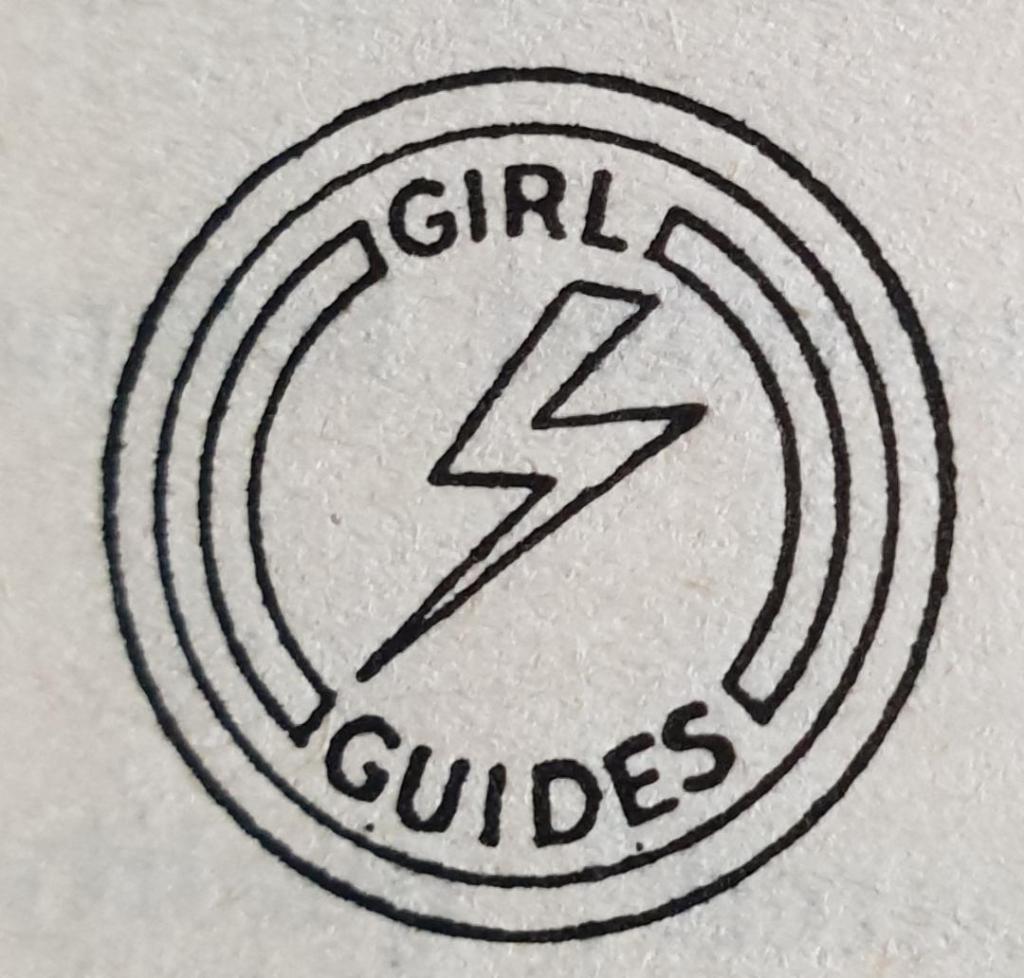
1935 POR – Electrician Badge
Have an elementary knowledge of the three effects of an electric current (magnetic, chemical and heating).
Understand the terms ampere, volt, ohm, and B. of T. unit, and be able to calculate the cost of running electric lamps and heaters.
Understand the working of electric irons, stoves, electric bells, and the care of Leclanche cells.
Know the dangers of electric shock and the methods of rescue and resuscitation.

1938 POR – Electrician Badge
Have an elementary knowledge of the three effects of an electric current (magnetic, chemical and heating).
Understand the terms ampere, volt, ohm, and B. of T. unit, and be able to calculate the cost of running electric lamps and heaters.
Understand the working of electric irons, stoves, electric bells, and the care of Leclanche cells.
Know the dangers of electric shock and the methods of rescue and resuscitation.
1939 POR – Electrician Badge
1) Have an elementary knowledge of the three effects of an electric current (magnetic, chemical and heating).
2) Understand the terms ampere, volt, ohm, and B. of T. unit, and be able to calculate the cost of running electric lamps and heaters.
3) Understand the working of electric irons, stoves, electric bells, and the care of Leclanche cells.
4) Know the dangers of electric shock and the methods of rescue and resuscitation.
 Leslie's Guiding Badge History